Featured
Table of Contents
Simply as you would certainly see a doctor for a physical wellness worry, consulting a psychological health and wellness expert for emotional or mental challenges is a wise, aggressive selection. Past the research, therapy supplies functional advantages that prolong much past symptom decrease.
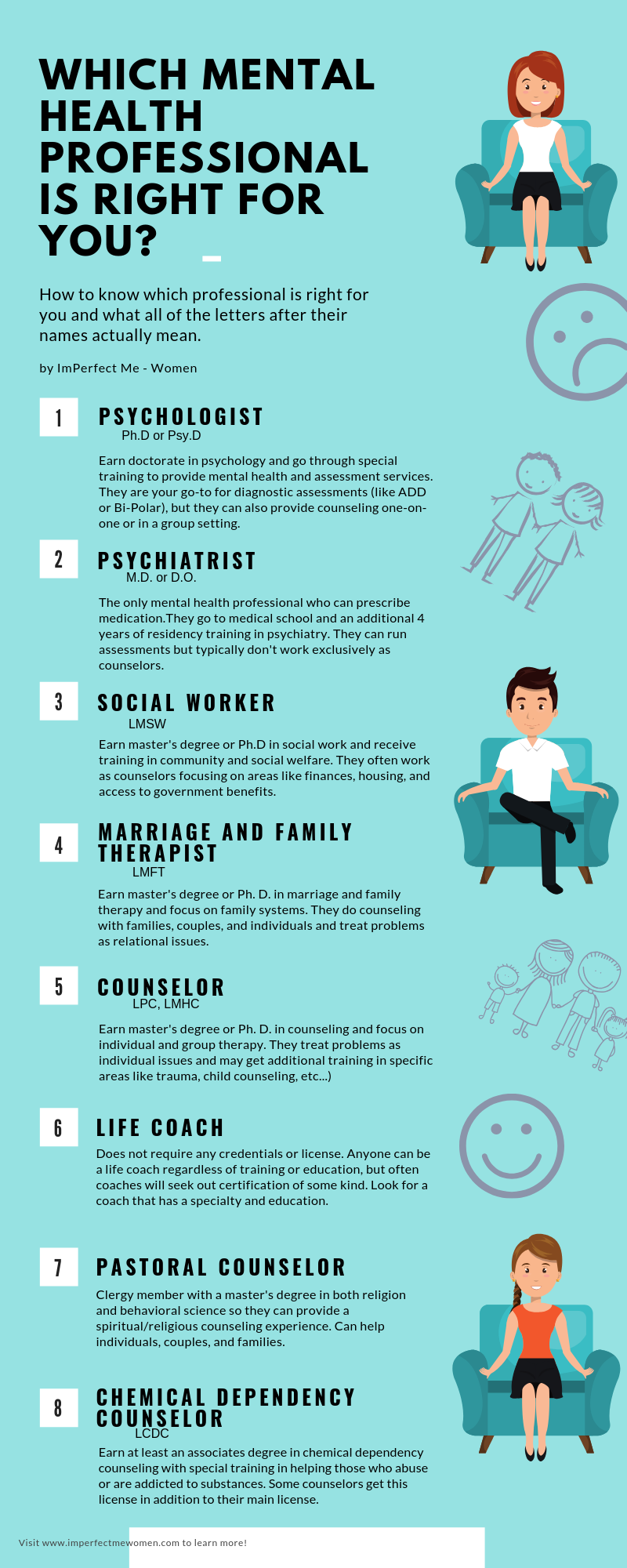
A therapist aids you make feeling of what you're really feeling, supplying support and understanding that can be grounding, particularly if you've been bring things alone for a lengthy time. When you're in the middle of stress and anxiety or uncertainty, it can be hard to see the complete image. Therapists bring an outdoors viewpoint that isn't shaped by your past, your partnerships, or your assumptions of on your own.
If you've made it this much and you're still asking on your own, "do I require treatment?" the response is most likely of course. Even if you're uncertain, attempting treatment doesn't devote you to anything long-term. Think of it as an investment in on your own and your well-being. Starting therapy doesn't need to be frustrating or take months.
Your therapist assists you reflect, make connections, and comprehend yourself with even more clarity. Depending upon your objectives, you might likewise find out dealing abilities or strategies to utilize in between sessions. A lot of sessions finish with a fast check-in to help you really feel grounded and prepared for the week in advance. That's completely regular.
The Science Behind Therapeutic Interventions
CBT focuses on thoughts and habits, DBT sustains psychological regulation, and EMDR helps you process injury. Review extra concerning locating the right treatment modality for you. Your therapist can also aid figure out which method fits best based upon your objectives and preparedness. Weekly sessions prevail, yet some people go biweekly or monthly based upon their requirements and development.
Signs treatment is beginning to work consist of dealing with difficulties much better, really feeling more based, comprehending your patterns, interacting even more clearly, and really feeling even more like on your own. Slow-moving progress is still progression. It's fine to switch. The therapeutic relationship is one of the toughest forecasters of success. If something feels off, you can talk to your therapist, or locate a person new without regret. You do not need to prepare anything, but thinking of your goals, feelings, and what's been taking place in your life can be useful.
Treatment for adolescent psychological health and wellness, anxiety, teen stress and anxiety, and other obstacles requires time and care. Different stages of the recovery process may require various degrees of care. As a result, it's practical to understand the difference between inpatient vs. residential treatment, along with inpatient treatment vs. outpatient treatment. Ideal therapy takes into account a teen's specific requirements and background, in addition to their seriousness of their medical diagnosis.
Therefore, teens may get treatment initially in an inpatient mental wellness system of a medical facility, transfer to a residential setup, tip down to an outpatient program, and after that obtain weekly treatment and/or attend assistance groups at an area teen mental university hospital. Given all these choices, it can be tough for parents to differentiate the distinction, not to mention understand what their child requires to recover.
Combat Trauma Processing
Within those categories are extra subtle distinctions. Let's take a look at the difference in between inpatient and domestic treatment, as well as inpatient vs. outpatient psychological health programs. The main distinctions in between inpatient vs. domestic treatment are where it occurs, the size of keep, and the overall therapy objectives.
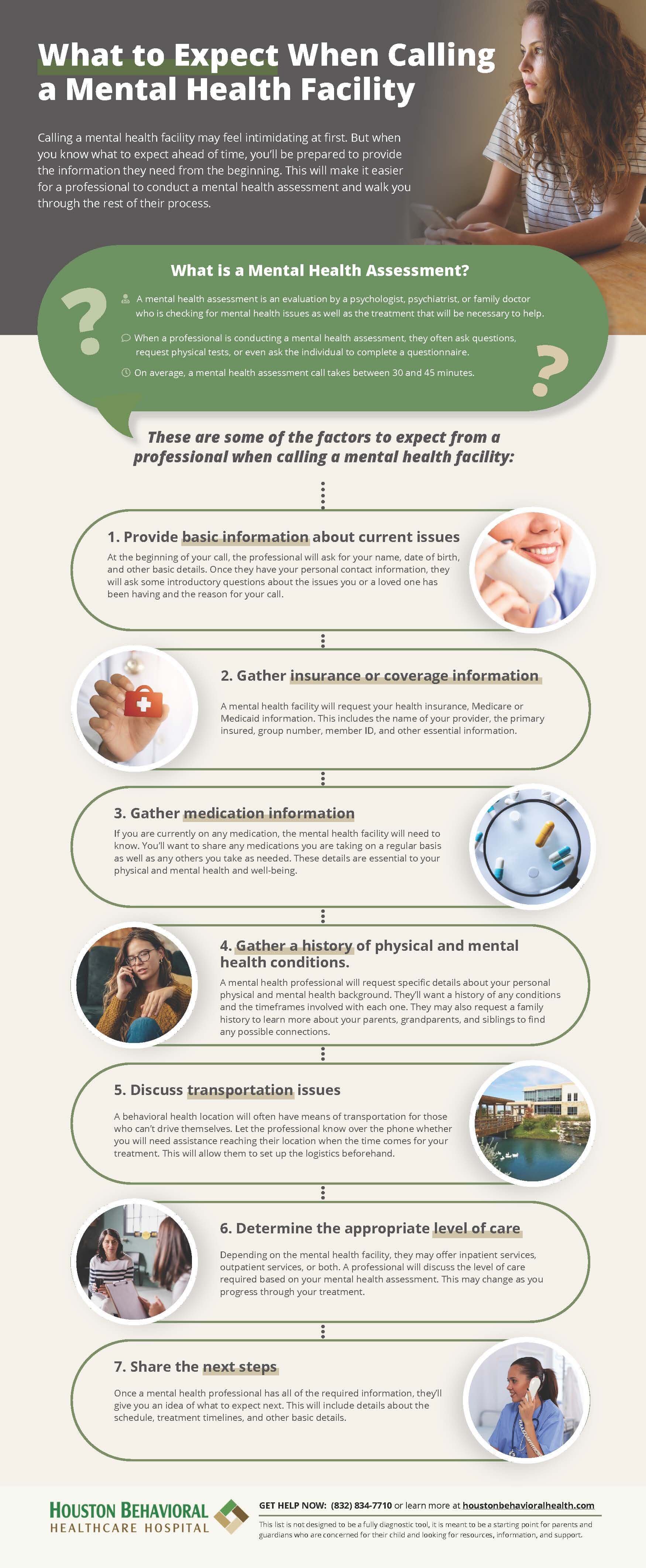
Commonly, inpatient treatment is for teens that are in the acute phase of a psychological health and wellness problem and require continual support. Inpatient stays commonly follow a teen emergency situation space see for a suicide effort or various other crisis scenario. Thirty days is normally the maximum time for inpatient teen mental wellness therapy.
Story Therapy Through Individual Therapy
Some health centers give chemical abuse treatment as well. Furthermore, a psychiatric healthcare facility may have a specialized unit for consuming conditions. Generally, the objective of inpatient therapy is to support the person and guarantee they are not a danger to themselves or others. Adhering to inpatient therapy, teens who require lasting treatment are usually moved to teen property therapy, sometimes described as residential inpatient therapy centers.
domestic treatment, it's practical to recognize that household treatment concentrates on lasting recovery in contrast to situation administration. Due to the fact that teenagers stay for one to 3 months in household treatment, there is more time to resolve the source of mental health and behavior issues. We know that reaching out can be difficult.
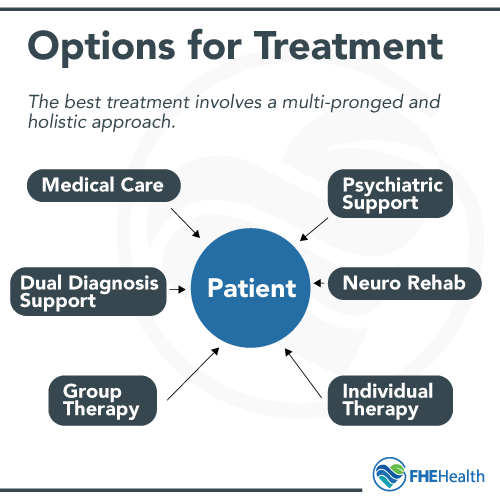
A household routine for teens consists of professional care, experiential activities, and academics. While in residential therapy, clients live in a comfy, homelike setting and are monitored by trained staff. Personnel participants include psychiatrists, therapists, therapists, nurses, dietitians, and experiential treatment professionals. As we have actually seen, property care is usually the next action in a teen's recovery journey after inpatient treatment in a health center.
Social Phobia Overcoming Through Individual Therapy
It's difficult for parents to send their child away from home. The long-term advantages of this choice can be life transforming. Research study shows that the framework and ongoing support of a domestic program is the most efficient method to attain long-lasting recuperation from clinical depression, anxiousness, injury, and co-occurring behavior issues like substance misuse and self-harm.
When investigating psychological health options, it's all-natural to begin the search near to home. Nonetheless, the most effective mental health therapy for an individual's certain diagnosis and needs may not be readily available in your area. Actually, as an outcome of the present shortage of mental health service providers and therapy programs, the likelihood is that the right program won't be in your prompt location.
Identifying the Red Flags
Within those classifications are a lot more refined distinctions. Let's take an appearance at the difference in between inpatient and property treatment, along with inpatient vs. outpatient mental wellness programs. The main distinctions between inpatient vs. residential therapy are where it happens, the length of stay, and the total treatment objectives.
Typically, inpatient therapy is for teenagers who remain in the acute stage of a mental wellness condition and need continuous assistance. Inpatient stays typically adhere to a teen emergency clinic visit for a self-destruction attempt or various other dilemma scenario. Thirty days is typically the optimum time for inpatient teen psychological health treatment.
Usually, the objective of inpatient treatment is to stabilize the patient and guarantee they are not a risk to themselves or others. Following inpatient therapy, adolescents that call for long-lasting care are usually transferred to teen household treatment, sometimes referred to as property inpatient therapy.
household therapy, it's practical to recognize that household treatment concentrates on long-term recovery rather than situation management. Because teens remain for one to 3 months in residential care, there is more time to address the source of psychological health and wellness and behavioral concerns. We understand that getting to out can be hard.
Youth Specific Considerations
A property routine for teenagers includes professional treatment, experiential activities, and academics. While in property therapy, customers stay in a comfy, homey setting and are overseen by experienced personnel. Employee consist of psychiatrists, specialists, therapists, nurses, dietitians, and experiential therapy professionals. As we have actually seen, property treatment is typically the following action in a teen's healing trip after inpatient treatment in a hospital.
It's hard for parents to send their youngster far from home. The lasting benefits of this selection can be life changing. Study shows that the structure and ongoing assistance of a residential program is one of the most efficient way to attain long-lasting healing from anxiety, anxiousness, trauma, and co-occurring behavioral problems like chemical abuse and self-harm.
When investigating mental wellness alternatives, it's all-natural to start the search close to home. The finest psychological health therapy for an individual's particular diagnosis and needs might not be offered locally.

Latest Posts
Physiological Patterns Shaped by Generational Stress Through Couples Therapy
Self-Compassion in Ancestral Shame
EMDR Therapy Explained